BBQ Ribs
American Recipe
Overview
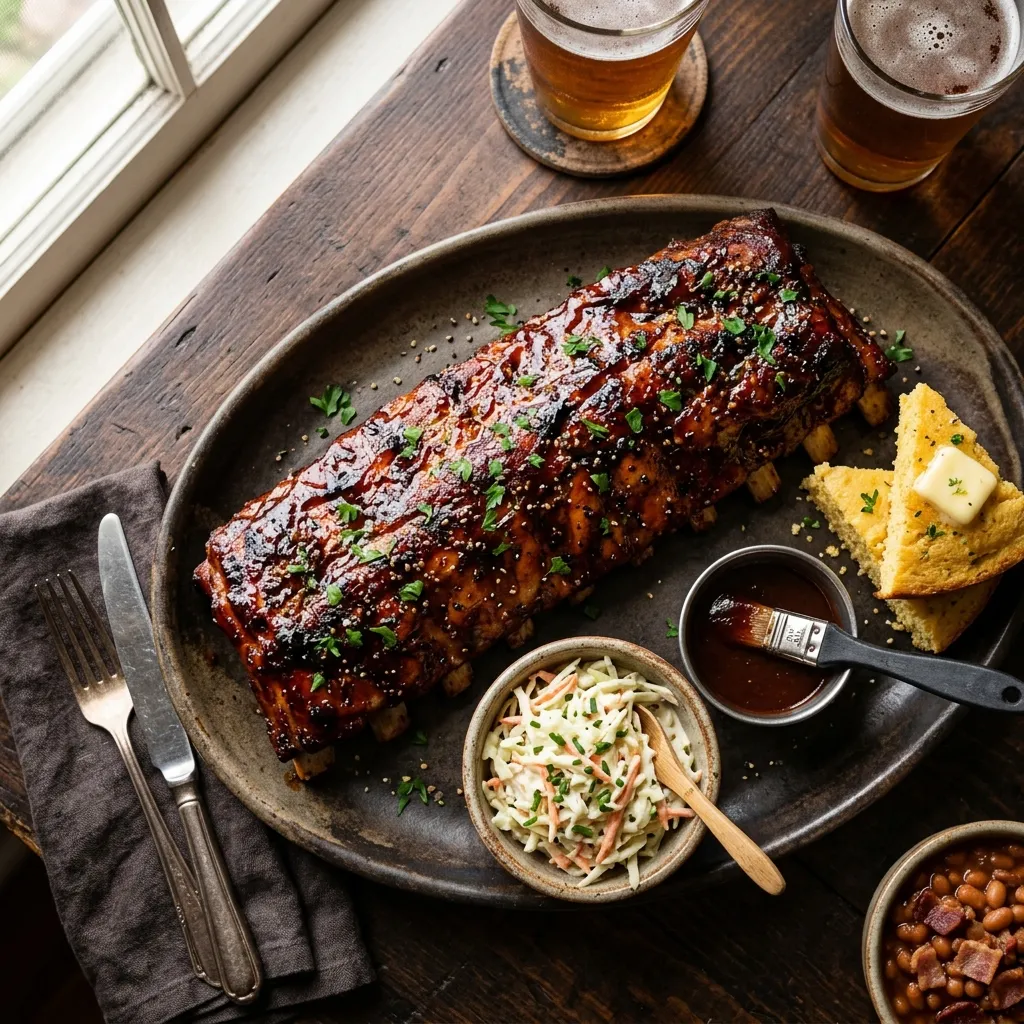
Slow-cooked pork ribs glazed with a smoky-sweet barbecue sauce represent one of the foundational dishes of American Southern cooking, with roots tracing back to colonial-era pit cooking traditions adapted from Indigenous and African American foodways. The low-and-slow method breaks down collagen in the connective tissue over several hours, transforming tough rib meat into fall-off-the-bone tenderness while developing a complex flavor profile through Maillard reactions and caramelization. From an Ayurvedic perspective, BBQ ribs are a deeply heating and heavy preparation. The combination of pork (sweet and astringent rasa), smoke exposure, and sugar-based glaze creates a dish that is predominantly sweet and pungent in taste with strong heating energy. The slow-cooking method does improve digestibility compared to grilled preparations, but the overall density of the dish demands robust digestive fire. The barbecue sauce brings together tomato, vinegar, brown sugar, and spices in a balance of all six tastes, with sweet and pungent dominating. This makes the complete dish more digestively intelligent than plain roasted meat, as the sauce stimulates agni and provides enzymatic support through its acid and spice content.
Strongly increases pitta due to the heating nature of pork, smoke, spices, and tomato-based sauce. Reduces vata through heaviness and oiliness but can aggravate kapha due to the dense, sweet, and oily qualities of the finished dish.
The dense, nourishing quality of slow-cooked pork ribs makes them useful for building mamsa (muscle tissue) and meda (fat tissue) in individuals recovering from depletion, underweight conditions, or excessive vata. Not appropriate as a regular therapeutic food due to the heating and heavy qualities.
Ingredients
- 2 racks pork baby back ribs (about 4 pounds total, membrane removed)
- 2 tablespoons smoked paprika
- 3 tablespoons brown sugar
- 1 tablespoon garlic powder
- 1 tablespoon onion powder
- 1 teaspoon black pepper
- 1 tablespoon sea salt
- 1 teaspoon cumin
- 0.5 teaspoon cayenne pepper
- 3 tablespoons tomato paste
- 2 tablespoons apple cider vinegar
- 1 cup ketchup
- 2 tablespoons molasses
- 1 tablespoon Worcestershire sauce
- 1 teaspoon mustard powder
- 1 teaspoon liquid smoke
Instructions
- Remove the membrane from the back of each rack by sliding a butter knife under the membrane at one end, gripping with a paper towel, and peeling it off in one piece. This step is critical — the membrane blocks seasoning penetration and creates a rubbery texture when cooked.
- Combine smoked paprika, brown sugar, garlic powder, onion powder, black pepper, salt, cumin, and cayenne in a bowl. Rub the mixture generously over both sides of each rack, pressing it into the meat. Let the ribs sit at room temperature for 30 minutes to allow the rub to adhere and begin drawing moisture to the surface.
- Preheat the oven to 275°F (135°C). Place each rack of ribs on a large sheet of heavy-duty aluminum foil, meat side up. Wrap tightly, crimping the edges to create a sealed packet that will trap steam during the initial cooking phase.
- Place the foil-wrapped ribs on a baking sheet and cook for 3 hours. The low temperature allows collagen to convert to gelatin gradually — rushing this step with higher heat toughens the meat rather than tenderizing it.
- While the ribs cook, prepare the barbecue sauce. Combine ketchup, tomato paste, apple cider vinegar, molasses, Worcestershire sauce, mustard powder, liquid smoke, and 2 tablespoons of the remaining dry rub in a saucepan. Simmer over medium-low heat for 15 minutes, stirring occasionally, until the sauce thickens and the flavors meld.
- After 3 hours, carefully unwrap the ribs — steam will escape, so open the foil away from your face. The meat should have pulled back from the bone ends by about half an inch. If the ribs still feel stiff, re-wrap and cook another 30 minutes.
- Increase the oven temperature to 375°F (190°C). Brush a generous layer of barbecue sauce over the top of each rack. Return to the oven uncovered for 15 minutes.
- Apply a second coat of sauce and cook for another 15 minutes. The sauce should be tacky and caramelized at the edges but not burnt. The total glazing time of 30 minutes at higher heat creates the characteristic sticky bark.
- Remove from the oven and let the ribs rest for 10 minutes before cutting. Slice between the bones using a sharp knife. Serve with remaining sauce on the side.
Nutrition
These values are estimates calculated from the ingredient list and may vary based on brands, cooking methods, and serving size. Not a substitute for medical or dietary advice.
How This Recipe Affects Each Dosha
Vata
The heavy, oily, and grounding nature of slow-cooked pork provides substantial vata pacification. The fat content and extended cooking process create a soft, moist texture that counteracts vata's dry and light qualities. The sweet taste of the meat and brown sugar further calms vata. However, the pungent spices in the rub and the drying effect of smoke exposure add some vata-aggravating qualities. Best consumed warm and freshly prepared rather than reheated.
Pitta
This is a significantly pitta-aggravating dish. Pork carries inherent heating energy, compounded by smoked paprika, cayenne, black pepper, and the acidic tomato-vinegar sauce. The Maillard reactions from high-heat glazing add additional sharpness. The molasses and brown sugar provide some cooling sweet taste, but not enough to offset the cumulative heat. Pitta types will likely experience increased internal heat, possible acid reflux, and skin reactivity after consuming a full serving.
Kapha
The heavy, oily, and sweet qualities of BBQ ribs directly increase kapha. Pork is among the most kapha-aggravating meats due to its fat content and sweet post-digestive effect. The brown sugar, molasses, and ketchup add further sweetness and density. The pungent spices in the rub provide some kapha-balancing stimulation, but the overall dish remains strongly kapha-increasing. The slow-cooked method, while improving digestibility, does not reduce the fundamental heaviness.
The heavy, oily nature of slow-cooked pork ribs requires strong agni (digestive fire) to process. The barbecue spices — particularly black pepper, cumin, and cayenne — provide agni-stimulating support, making this dish more digestible than unseasoned roasted pork. Individuals with weak or variable agni should eat small portions and pair with digestive spices.
Nourishes: rasamamsameda
Adjustments by Constitution
For Vata Types
Use the full amount of spice in the rub and add a pinch of hing (asafoetida) to the sauce to improve digestibility. Serve with a warm side like roasted root vegetables rather than cold coleslaw. A small cup of ginger tea alongside the meal supports agni and prevents the heavy meat from overwhelming digestion. Eat a moderate portion — vata's variable appetite can be overwhelmed by too much dense food at once.
For Pitta Types
Reduce cayenne to a pinch or eliminate it entirely. Replace half the smoked paprika with sweet paprika. Add 1 tablespoon of maple syrup to the sauce instead of molasses to reduce heating intensity. Swap apple cider vinegar for coconut aminos to reduce acidity. Serve with cooling cucumber raita or a green salad dressed with lime and cilantro. Eat an early dinner to allow full digestion before sleep.
For Kapha Types
Reduce brown sugar in both the rub and sauce by half. Double the cayenne and add 1 teaspoon of dried ginger to the rub. Replace ketchup with a blend of tomato paste thinned with water and extra vinegar for a leaner, more pungent sauce. Serve a single-rib portion alongside steamed bitter greens like mustard greens or broccoli rabe. Follow the meal with a cup of trikatu tea (black pepper, long pepper, ginger) to stimulate metabolism.
Seasonal Guidance
Best suited to cold weather when the body naturally seeks heavier, warming foods and agni runs strongest. Avoid during summer heat when the additional heating energy of smoke, spice, and pork can provoke pitta and create excess internal heat.
Best time of day: Serve as a midday or early evening meal when digestive fire is at its peak. Avoid eating late at night — the heaviness of pork requires several hours of active digestion.
Cultural Context
American barbecue traditions developed from a convergence of Indigenous smoking techniques, African American pit-cooking expertise, and European colonial-era preservation methods. Regional styles — Kansas City (sweet, thick sauce), Carolina (vinegar or mustard-based), Texas (dry rub, beef-focused), Memphis (dry or wet ribs) — each reflect local ingredients and cultural preferences. This recipe follows a Kansas City-influenced approach with its tomato-and-molasses-based sauce. The communal nature of barbecue cooking, historically tied to large gatherings, church events, and celebrations, carries a strong social and grounding energy that Ayurveda recognizes as nourishing to ojas when consumed mindfully.
Deeper Context
Origins
The word barbecue derives from Taino barbacoa — a wood frame for smoking meat, documented by Spanish colonizers in Hispaniola in the early 1500s. American barbecue culture developed in the Southern states over 300 years, primarily through African-American cooks whose West African slow-cooking knowledge transformed European pork butchery into something new. The rib-specific focus is a later 20th-century development; earlier Southern barbecue centered on whole-hog preparations.
Food as Medicine
Pork in classical Chinese and Korean medicine is a Yin-builder for convalescents and the elderly; bone broths from rib cookery support joint and tendon health in both traditions. Apple cider vinegar holds a folk-medicine status across Appalachian and Southern home remedies as a digestive aid and blood-sugar modulator. The combination accidentally aligns with several traditional therapeutic logics — smoked pork with vinegar sauce sits at an unlikely intersection of world healing cuisines.
Ritual & Seasonal Role
Summer and holiday cookout dish — Memorial Day, Fourth of July, Labor Day weekend, tailgate season. Regional barbecue competitions are their own American folk ritual, with Memphis in May and the Kansas City Royal contests functioning as community events. Southern family reunions commonly feature slow-cooked ribs as a centerpiece dish, and pit-master lineage is passed down in families in ways that resemble craft-guild knowledge transmission.
Classical Pairings & Cautions
Classical sides: cornbread, coleslaw, baked beans, collard greens, potato salad, mac and cheese, dill pickles. Iced tea or beer alongside. Cautions: the sugar-salt-fat load is a cardiovascular risk factor; pork fat aggravates Kapha and Pitta substantially; the barbecue rub's sugar contributes to glycemic spike; religious restrictions (Jewish, Muslim, Hindu, some Buddhist, Adventist) preclude entirely — beef ribs are a common accommodation.
Cross-Tradition View
How other medical and food-wisdom traditions read this dish. Each tradition names the same physiological reality in its own language — the agreements across them are where universal principles live.
Traditional Chinese Medicine
Pork is classically cool-sweet, builds Yin fluids and moistens dryness — the meat of choice for Yin-deficient heat patterns. Paprika warms and disperses; brown sugar tonifies Qi and warms the Spleen; vinegar is sour-warm and moves Liver Qi. The long smoking adds hot-dry penetration that a raw-pork read would not show. The final dish is warm-moist with a smoky-drying skin — Yin-building with Qi-moving accent.
Greek Humoral
Pork is cold-wet by Galenic classification (the Hippocratic corpus recommends it for consumptives and the thin). The smoke-and-spice treatment pulls the meat toward hot-dry on the surface, while the interior stays cool-moist. The mixed temperament makes slow-smoked pork ribs suitable for melancholic types needing moisture plus heat — a rare combination in single-dish form.
Ayurveda
Heating virya, pungent vipaka. Pacifies Vata strongly through protein and fat; aggravates Pitta through the smoked-spiced surface; aggravates Kapha through pork fat. Pork is not a traditional Ayurvedic meat — considered heavy, dulling, and tamas-promoting in classical texts. Used as a restoration dish for Vata-depleted labor workers and convalescents, not an everyday preparation.
Southern African-American Folk
Barbecue as a distinct American cookery emerged in the enslaved-African kitchens of the 17th-19th-century American South, blending West African slow-cooking techniques with Indigenous Caribbean barbacoa (from which the word descends) and European smoking methods. The Southern pit tradition is a creolized cooking science in its own right, with distinct regional schools — Carolina, Memphis, Kansas City, Texas — each claiming different meat cuts and sauce profiles. The knowledge lineage is African, Indigenous, and European braided together.
Chef's Notes
The foil-wrapping technique (sometimes called the Texas crutch) is what makes oven ribs rival smoked versions. The trapped steam braises the meat in its own juices. For deeper flavor, refrigerate the rubbed ribs overnight before cooking — the salt in the rub dry-brines the meat, improving both seasoning penetration and moisture retention.
Frequently Asked Questions
Is BBQ Ribs good for my dosha?
Strongly increases pitta due to the heating nature of pork, smoke, spices, and tomato-based sauce. Reduces vata through heaviness and oiliness but can aggravate kapha due to the dense, sweet, and oily qualities of the finished dish. The heavy, oily, and grounding nature of slow-cooked pork provides substantial vata pacification. This is a significantly pitta-aggravating dish. The heavy, oily, and sweet qualities of BBQ ribs directly increase kapha.
When is the best time to eat BBQ Ribs?
Serve as a midday or early evening meal when digestive fire is at its peak. Avoid eating late at night — the heaviness of pork requires several hours of active digestion. Best suited to cold weather when the body naturally seeks heavier, warming foods and agni runs strongest. Avoid during summer heat when the additional heating energy of smoke, spice, and pork can prov
How can I adjust BBQ Ribs for my constitution?
For Vata types: Use the full amount of spice in the rub and add a pinch of hing (asafoetida) to the sauce to improve digestibility. Serve with a warm side like roaste For Pitta types: Reduce cayenne to a pinch or eliminate it entirely. Replace half the smoked paprika with sweet paprika. Add 1 tablespoon of maple syrup to the sauce i
What are the Ayurvedic properties of BBQ Ribs?
BBQ Ribs has sweet,pungent,sour taste (rasa), heating energy (virya), and pungent post-digestive effect (vipaka). Its qualities (gunas) are heavy,oily,hot. It nourishes rasa,mamsa,meda. The heavy, oily nature of slow-cooked pork ribs requires strong agni (digestive fire) to process. The barbecue spices — particularly black pepper, cumin, and cayenne — provide agni-stimulating support, making this dish more digestible than unseasoned roasted pork. Individuals with weak or variable agni should eat small portions and pair with digestive spices.