Sloppy Joes
American Recipe
Overview
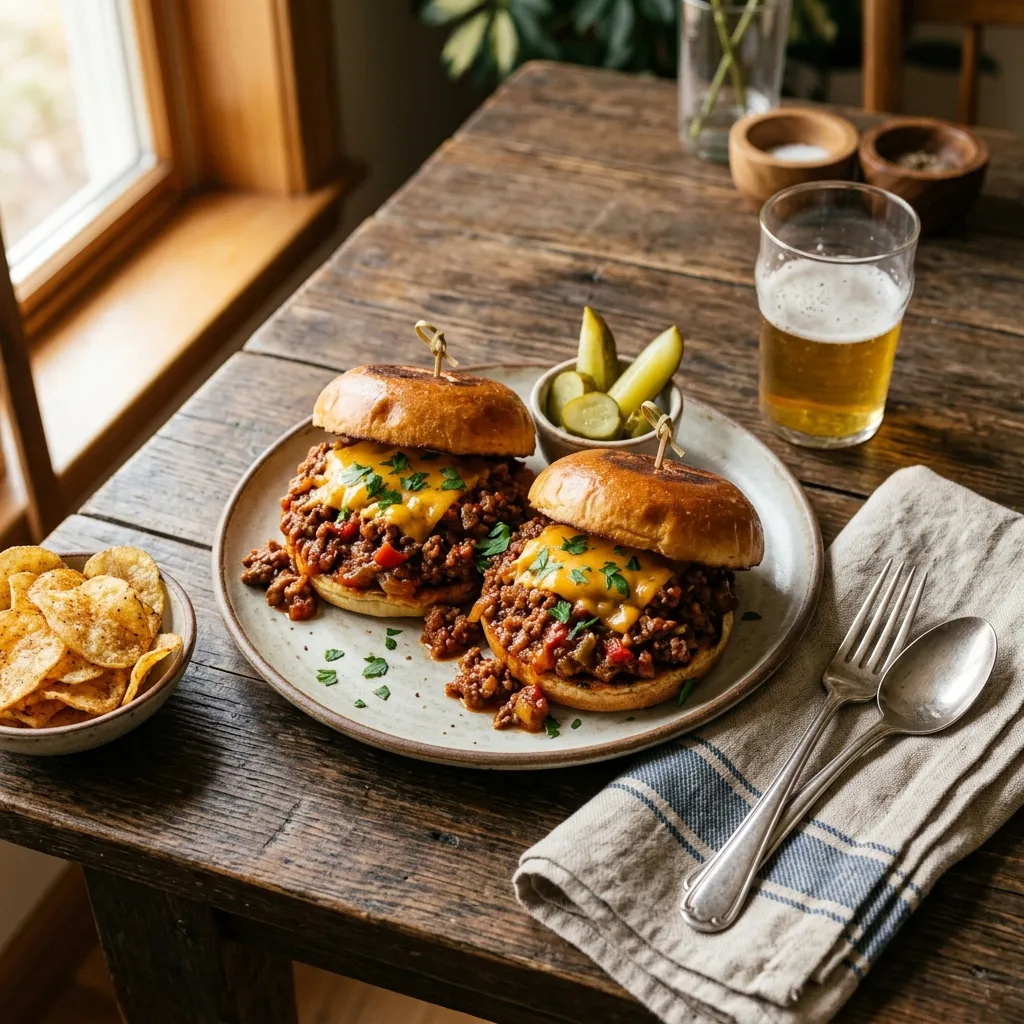
Sloppy Joes appeared in American cooking during the 1930s, with the earliest documented recipe published in a 1935 Sioux City, Iowa cookbook. The name likely references a specific cook named Joe at a Sioux City café who first served the loose-meat-in-tomato-sauce sandwich, though competing origin stories exist from Key West and various Midwestern diners. The dish features ground beef cooked with onion, bell pepper, and garlic in a sweet-tangy tomato sauce, served on soft hamburger buns. Commercially, Manwich (Hunt's brand, introduced 1969) popularized the canned sauce version, though homemade preparations offer significantly better flavor and nutritional control. Ayurvedically, Sloppy Joes present a complex profile. The dominant rasas are sweet (beef, buns, sugar), sour (tomato, vinegar), and pungent (onion, garlic, pepper). This combination stimulates agni effectively, and the tomato-based sauce introduces the sour rasa that enhances the digestibility of the meat. However, the sour-sweet-pungent combination also generates substantial heat, making this dish moderately Pitta-aggravating. The bread adds lightness that somewhat offsets the heaviness of the meat, creating a more balanced meal than denser beef preparations. The overall effect is warming, grounding, and moderately heavy — supportive for Vata but requiring mindfulness for Pitta and Kapha constitutions.
Pacifies Vata through warmth, moisture, and the sweet-sour-salty combination. Moderately aggravates Pitta due to the tomato acidity, vinegar, garlic, and overall heating quality. Kapha types will find the heaviness and sweetness increasing, though the pungent and sour elements offer partial counterbalance.
The sour rasa dominance makes Sloppy Joes useful for stimulating appetite in individuals experiencing poor hunger drive (mandagni). The combination of easily digestible ground meat with agni-stimulating spices and sour tomato sauce makes this an accessible protein source for those rebuilding from debility who cannot handle heavier preparations.
Ingredients
- 1.5 pounds ground beef (85/15 blend works well here)
- 1 medium yellow onion (finely diced)
- 1 medium green bell pepper (finely diced)
- 3 cloves garlic (minced)
- 1 cup tomato sauce (plain, no Italian seasonings)
- 0.5 cup ketchup
- 2 tablespoons tomato paste
- 1 tablespoon Worcestershire sauce
- 1 tablespoon brown sugar (packed)
- 1 tablespoon apple cider vinegar
- 1 teaspoon yellow mustard
- 1 teaspoon chili powder
- 0.5 teaspoon smoked paprika
- 1 teaspoon salt
- 0.25 teaspoon black pepper
- 6 whole hamburger buns (lightly toasted)
Instructions
- Heat a large skillet over medium-high heat. Add the ground beef and break it into small pieces using a wooden spoon or meat chopper. Cook for 6-8 minutes, breaking the meat into crumbles no larger than a pea, until fully browned with no pink remaining. The smaller the crumble, the better the sauce adheres.
- If the pan has excessive grease (more than about 2 tablespoons), drain most of it. Leave some — it carries flavor and the small amount of fat is necessary for the sauce to develop properly.
- Add the diced onion and bell pepper to the skillet with the beef. Cook over medium heat for 4-5 minutes, stirring occasionally, until the vegetables are soft and the onion is translucent. Add the garlic and cook for 30 seconds.
- Add the tomato sauce, ketchup, tomato paste, Worcestershire sauce, brown sugar, apple cider vinegar, yellow mustard, chili powder, smoked paprika, salt, and pepper. Stir thoroughly to combine everything into a uniform sauce.
- Bring the mixture to a gentle simmer, then reduce heat to medium-low. Cook uncovered for 15-20 minutes, stirring occasionally, until the sauce has thickened and reduced. The mixture should be thick enough to mound on a spoon without immediately running off, but still saucy — not dry.
- Taste and adjust seasoning. The flavor balance should be sweet, tangy, and savory in roughly equal measure. Add more brown sugar for sweetness, more vinegar for tang, or more salt as needed.
- While the sauce finishes, split the hamburger buns and toast them cut-side down in a dry skillet or under the broiler for 1-2 minutes until golden. Toasting is essential — it creates a moisture barrier that prevents the bun from disintegrating immediately upon contact with the sauce.
- Spoon a generous portion of the meat mixture onto the bottom bun, letting some spill over the edges. Place the top bun slightly askew in the traditional style. Serve immediately with extra napkins — the mess is the point.
Nutrition
These values are estimates calculated from the ingredient list and may vary based on brands, cooking methods, and serving size. Not a substitute for medical or dietary advice.
How This Recipe Affects Each Dosha
Vata
Sloppy Joes provide solid Vata pacification through their warm, moist, and grounding qualities. The sweet rasa from beef, bread, and sugar grounds Vata's mobile quality, while the sour rasa from tomato and vinegar stimulates digestive fire and promotes nutrient absorption. The soft texture of the meat sauce is easy on Vata's often-sensitive digestion. The bread adds a satisfying carbohydrate base that further stabilizes Vata. The overall eating experience — warm, messy, satisfying — has a psychologically grounding quality that Vata types benefit from.
Pitta
This dish carries significant Pitta-aggravating potential. The tomato sauce, ketchup, tomato paste, vinegar, garlic, chili powder, and mustard are all heating ingredients that increase Pitta's fire element. The sour vipaka means the post-digestive effect continues to generate heat long after the meal. Pitta types may notice heartburn, acid reflux, skin flushing, or irritability after a large serving. The sour rasa dominance makes this one of the more Pitta-challenging American comfort foods. Small portions with cooling sides can mitigate the effect.
Kapha
The combination of ground beef, bread buns, sugar, and ketchup creates a sweet-heavy preparation that increases Kapha. The white flour buns add density without nutritional substance, and the sugar-ketchup combination amplifies the sweet taste that Kapha needs least. However, the pungent rasa from onion, garlic, chili, and pepper provides meaningful stimulation to Kapha's sluggish digestion. The sour rasa also cuts through Kapha stagnation somewhat. The dish is not ideal for Kapha but is less problematic than heavier, richer preparations like pot roast.
The combination of sour (tomato, vinegar), pungent (onion, garlic, chili), and salty flavors makes this dish an effective agni stimulant. The sour rasa in particular enkindles digestive fire and promotes appetite. The tomato-based sauce acts as a digestive catalyst for the ground beef. This is one of the easier-to-digest beef preparations due to the finely crumbled meat and sauce that pre-moistens it. Individuals with strong agni will process this meal easily.
Nourishes: Rasa (plasma), Rakta (blood), Mamsa (muscle)
Adjustments by Constitution
For Vata Types
This recipe works well for Vata with minor enhancements. Replace the green bell pepper with diced carrot (sweeter, less aggravating to Vata's digestion). Add 1 teaspoon of ground cumin to the sauce for additional warmth and digestive support. Use a generous spread of butter on the toasted buns for added lubrication and sweetness. A side of warm coleslaw dressed with a creamy dressing complements the meal well for Vata.
For Pitta Types
Replace the tomato-based sauce with a butternut squash puree (1 cup roasted and blended) sweetened with a teaspoon of maple syrup — this provides body and sweetness without acidity. Omit the garlic and chili powder entirely. Replace the apple cider vinegar with a squeeze of lime juice (less heating). Add 1 teaspoon ground coriander and 0.5 teaspoon ground fennel to the spice mix. Use ground turkey instead of beef for less heat. These changes transform the dish from a Pitta aggravator into a manageable meal.
For Kapha Types
Use 93% lean ground turkey or bison instead of beef. Serve the meat mixture open-faced on a single thin slice of toasted sourdough or whole grain bread instead of a full hamburger bun — or skip the bread entirely and serve over steamed cauliflower rice. Double the onion and bell pepper to increase the vegetable-to-meat ratio. Add 0.5 teaspoon of cayenne pepper and increase the chili powder to 2 teaspoons. Eliminate the brown sugar entirely and reduce ketchup to 2 tablespoons. These changes emphasize the lighter, more pungent qualities.
Seasonal Guidance
The lighter nature of Sloppy Joes compared to stews and roasts makes them appropriate across three seasons. Fall and winter benefit from the warming quality, while the dish works in early spring as a transition food. Avoid during peak summer heat when the tomato-vinegar combination and heating virya will further aggravate already-elevated Pitta. During spring, the pungent elements help clear accumulated winter Kapha.
Best time of day: Best at lunch when agni is strongest, making the tomato-meat combination easiest to digest. Also appropriate for early dinner. The relatively lighter nature compared to other beef dishes means it is less problematic at dinner than pot roast or beef stew, though completing the meal by 7:00 PM is still advisable.
Cultural Context
The Sloppy Joe first appeared in print in a 1935 Sioux City, Iowa cookbook, attributed to a cook named Joe at a local café who added tomato sauce to his loose meat sandwich. By the 1940s, the dish had spread nationwide, aided by its affordability during wartime rationing — ground beef stretched further than whole cuts, and the tomato sauce added volume and flavor cheaply. The introduction of Manwich canned sauce in 1969 cemented the Sloppy Joe as a weeknight staple requiring zero cooking skill. School cafeterias adopted it widely in the 1970s and 1980s, giving it a nostalgic hold on an entire generation of Americans. Today, it occupies a distinct cultural niche — unpretentious, deliberately messy, and unapologetically blue-collar.
Deeper Context
Origins
Sloppy Joes originated in Sioux City, Iowa in the 1930s at Floyd Angell's café as a loose meat sandwich with tomato sauce. Manwich (ConAgra's canned sloppy-joe sauce, launched 1969) spread the dish nationally through grocery store availability and television advertising. The dish became a school cafeteria staple through the 1950s and 1960s and entered the American food canon through institutional food service more than through home kitchens.
Food as Medicine
Not therapeutically designed. A budget-stretching ground beef preparation of the Depression and WWII era, designed to make a small amount of meat serve a large family. The onion and bell pepper contribute quercetin, sulforaphane family compounds, and vitamin C, but the sugar and sodium load in commercial sauces substantially outweighs these. A comfort-nostalgia food more than a nourishment food.
Ritual & Seasonal Role
School cafeteria nostalgia food. Casual family dinners. Sunday-afternoon football food. Not religiously ceremonial, but strongly associated with American mid-century childhood and school-lunch memory. Year-round with slight winter peaks during football season.
Classical Pairings & Cautions
Potato chips, french fries, coleslaw, dill pickles. Root beer or cola. Cautions: substantial sugar load from commercial sauces — diabetic restriction applies; high sodium in canned sauce versions; GERD and acid reflux from the tomato-pepper combination; beef allergies or religious restrictions preclude standard form; gluten intolerance precludes the bun; the commercial sauce often contains high-fructose corn syrup that home-made versions can avoid.
Cross-Tradition View
How other medical and food-wisdom traditions read this dish. Each tradition names the same physiological reality in its own language — the agreements across them are where universal principles live.
Traditional Chinese Medicine
Ground beef is Blood-building and Qi-tonifying; tomato is cool-sour and moves Liver Qi; onion is warm-pungent and disperses cold; bell pepper is cool-bitter; hamburger bun is Spleen-tonifying. A Qi-and-Blood tonic with Liver-clearing vegetable correctives — accidentally well-tempered for what it is, though the sugar content in commercial sauce pulls the temperament toward damp-heat in excess.
Greek Humoral
Hot-wet overall. Sanguine-building. Appropriate for melancholic types needing moisture plus stimulation. Galenic physicians would have recognized the combination as well-formed for working-class restoration though they would have questioned the sugar content in the sauce.
Ayurveda
Heating virya, sour vipaka. Vata-pacifying through warmth and protein; Pitta-aggravating through the tomato-beef-onion combination; Kapha-aggravating through heaviness and sugar. A mid-century American dish without a clear Ayurvedic precedent — the sweet-sour-tomato register of the sauce does not map well to classical Indian flavor combinations.
American Mid-Century Industrial
Sloppy Joes originated in Sioux City, Iowa in the 1930s at Floyd Angell's café — a loose meat sandwich with tomato sauce. Manwich (commercial canned sauce, 1969) spread the dish nationally. School cafeteria staple since the 1950s and 1960s. Pure mid-century American industrial food tradition — invented within living memory, standardized by a brand name, democratized through institutional food service. One of the youngest dishes in American canonical cookery.
Chef's Notes
The balance of sweet (brown sugar, ketchup), sour (vinegar, tomato), and savory (Worcestershire, mustard) is what separates homemade from canned versions — taste and adjust until all three registers are hitting equally. Brioche buns hold up better than standard hamburger buns due to their higher fat content and denser crumb. For a school-lunch nostalgia version, increase the ketchup to 3/4 cup and the sugar to 2 tablespoons. Leftovers refrigerate well for 4 days and freeze for 2 months — the sauce improves overnight. Reheat over low heat with a splash of water if the mixture has thickened too much.
Frequently Asked Questions
Is Sloppy Joes good for my dosha?
Pacifies Vata through warmth, moisture, and the sweet-sour-salty combination. Moderately aggravates Pitta due to the tomato acidity, vinegar, garlic, and overall heating quality. Kapha types will find the heaviness and sweetness increasing, though the pungent and sour elements offer partial counterbalance. Sloppy Joes provide solid Vata pacification through their warm, moist, and grounding qualities. This dish carries significant Pitta-aggravating potential. The combination of ground beef, bread buns, sugar, and ketchup creates a sweet-heavy preparation that increases Kapha.
When is the best time to eat Sloppy Joes?
Best at lunch when agni is strongest, making the tomato-meat combination easiest to digest. Also appropriate for early dinner. The relatively lighter nature compared to other beef dishes means it is less problematic at dinner than pot roast or beef stew, though completing the meal by 7:00 PM is still advisable. The lighter nature of Sloppy Joes compared to stews and roasts makes them appropriate across three seasons. Fall and winter benefit from the warming quality, while the dish works in early spring as a
How can I adjust Sloppy Joes for my constitution?
For Vata types: This recipe works well for Vata with minor enhancements. Replace the green bell pepper with diced carrot (sweeter, less aggravating to Vata's digestio For Pitta types: Replace the tomato-based sauce with a butternut squash puree (1 cup roasted and blended) sweetened with a teaspoon of maple syrup — this provides body
What are the Ayurvedic properties of Sloppy Joes?
Sloppy Joes has Sweet, Sour, Pungent taste (rasa), Heating energy (virya), and Sour post-digestive effect (vipaka). Its qualities (gunas) are Heavy, Moist, Warm, Slightly Oily. It nourishes Rasa (plasma), Rakta (blood), Mamsa (muscle). The combination of sour (tomato, vinegar), pungent (onion, garlic, chili), and salty flavors makes this dish an effective agni stimulant. The sour rasa in particular enkindles digestive fire and promotes appetite. The tomato-based sauce acts as a digestive catalyst for the ground beef. This is one of the easier-to-digest beef preparations due to the finely crumbled meat and sauce that pre-moistens it. Individuals with strong agni will process this meal easily.